While the topics were varied, one theme emerged throughout the day: organisations must balance agility, compliance and employee experience if they are to attract, retain and deploy talent successfully in a changing world.


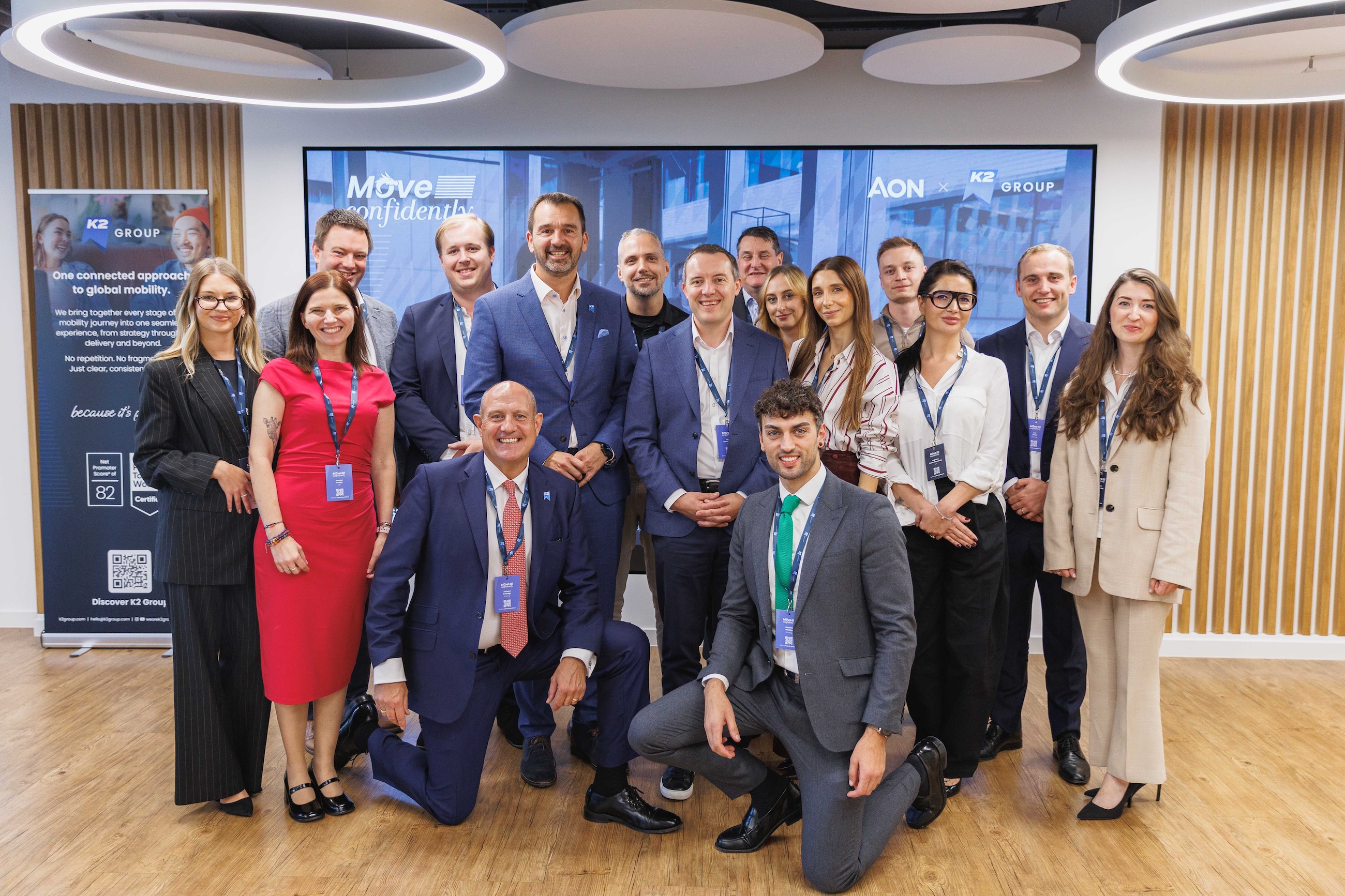
Kraków Global Mobility Forum 2026
The event brought together professionals from across Kraków's Global Mobility community to discuss the trends shaping talent movement today, from employee experience and workforce planning to immigration, compliance, AI and the increasing complexity of moving talent across borders.

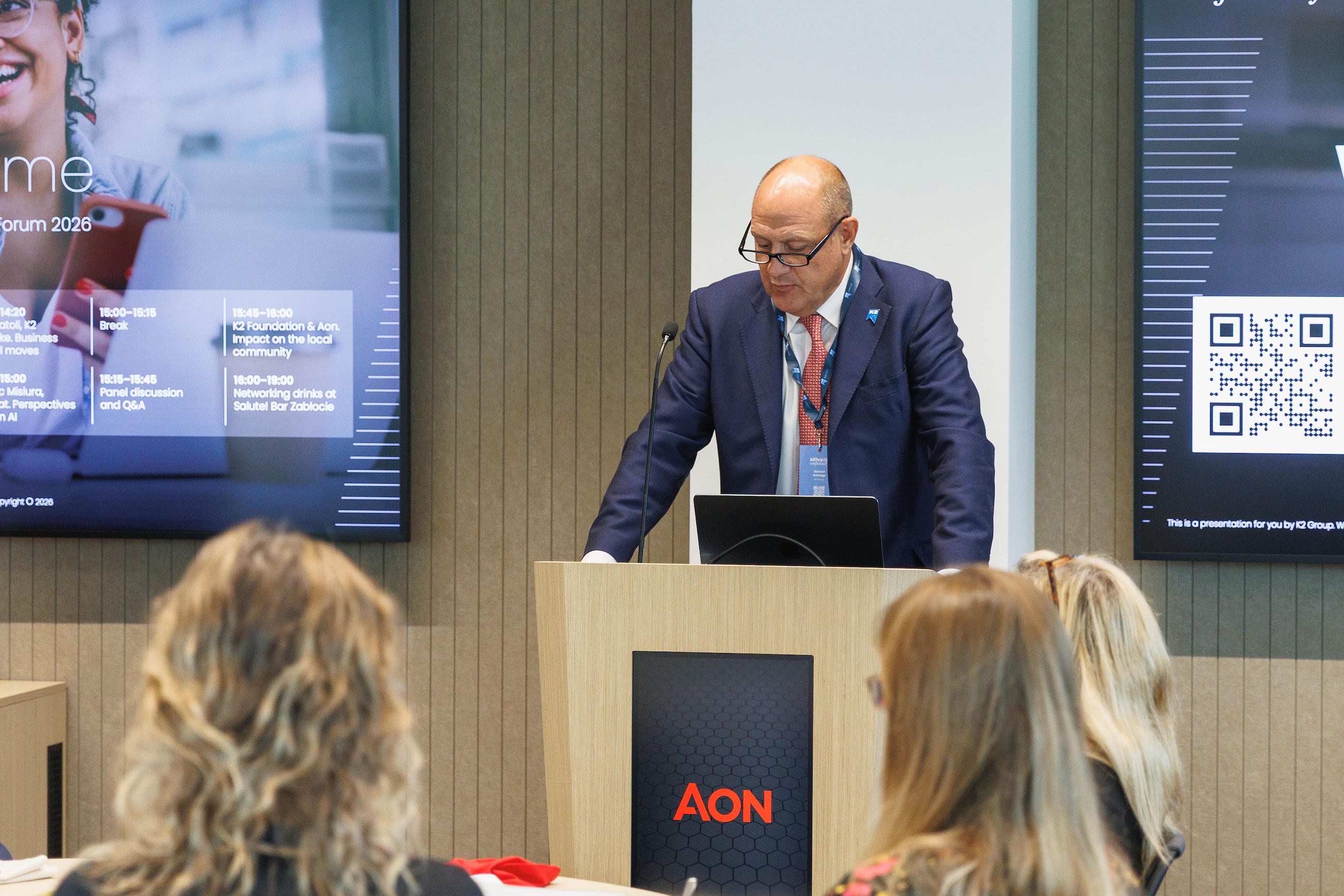
Max Newbigging welcomed attendees to Aon’s Kraków office and opened the Forum. Richard Rutledge then introduced K2 Group, sharing an overview of the Group and its global relocation ecosystem.
Luc Jones followed with an introduction to K2 Relocate, describing the service brand as the “engine room and heartbeat” of K2 Group. He explained that successful relocation goes far beyond the practical logistics of moving people, with global reach, local care and a personal approach all playing an important role in the employee experience.
The day began with Romek Lubaczewski, who shared his perspective on the evolution of Kraków's Global Business Services sector and the factors that have helped position the city as one of Europe's leading business hubs. Discussions explored the growing importance of skills, workforce planning and organisational adaptability as businesses prepare for the next phase of change.
Attendees reflected on the challenges employers face when balancing talent availability, changing workforce expectations and new technologies, while ensuring Kraków remains an attractive location for investment and growth.
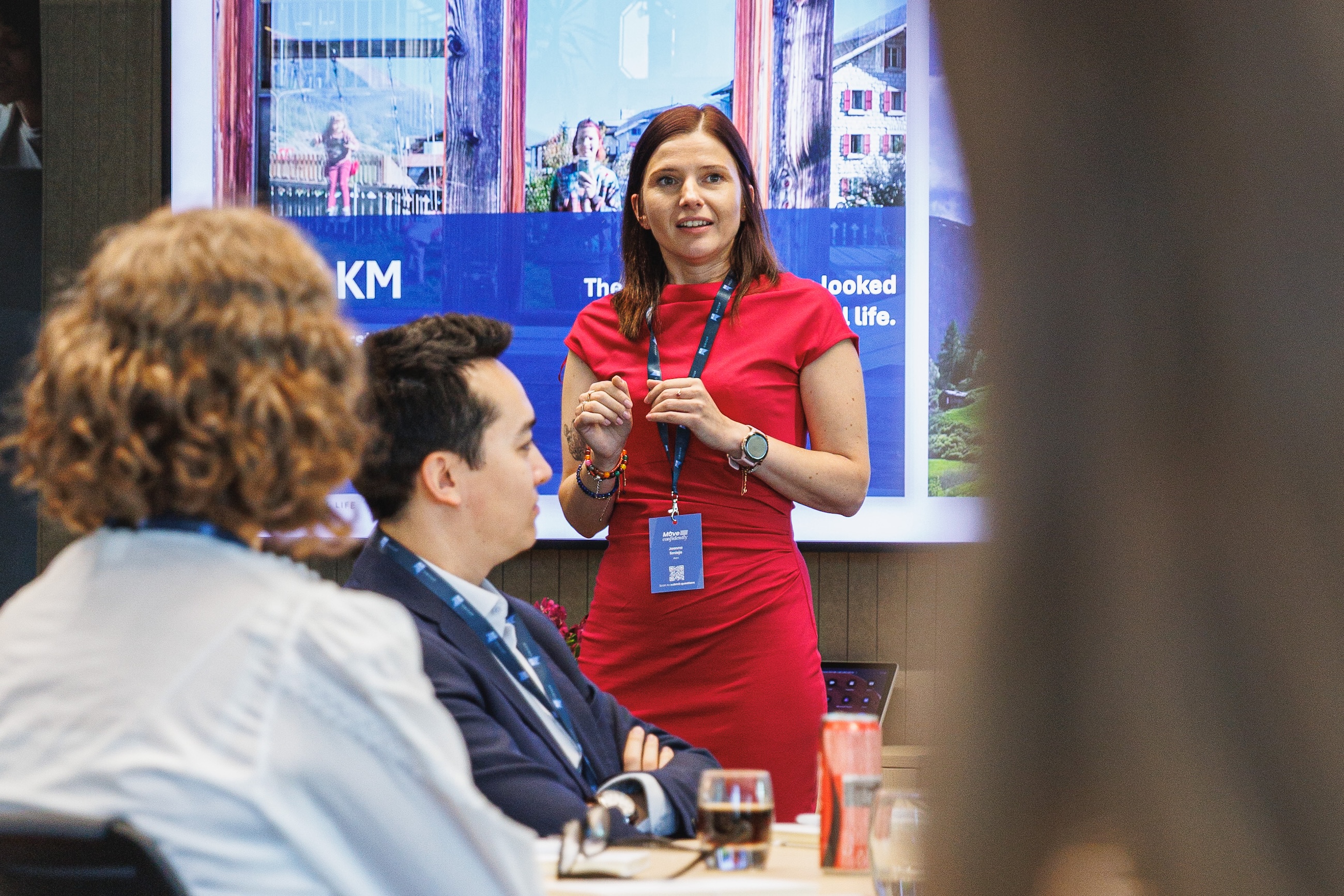
Joanna Smieja from Aon brought a human perspective to the mobility conversation, exploring relocation through the experiences of employees and their families.
The discussion highlighted the reality that while organisations often focus on policy, relocation is ultimately experienced by people. Attendees explored the importance of flexibility, communication and personalised support throughout the relocation journey, as well as the often-overlooked challenges associated with repatriation and long-term family integration.
Jesper Albrekt from K2 X Border examined the changing immigration landscape and the growing influence of politics, labour shortages and economic priorities on immigration policy.
The session explored how many countries are becoming increasingly selective in their approach to talent migration while continuing to compete for highly skilled workers. The discussion reinforced the importance of immigration planning as part of wider workforce and talent strategies rather than simply a compliance requirement.
Tax and compliance specialists Ed Hobern and Tom Gee from KPMG explored the challenges many organisations face as workforce models become increasingly international and flexible.
Discussions centred on balancing employee and business flexibility with tax, payroll and compliance responsibilities. Attendees shared experiences of managing cross-border working arrangements and considered how stronger governance, planning and oversight can help organisations manage risk while supporting evolving workforce expectations.
Dan Natoli from K2 Bespoke focused on business-critical and non-standard assignments, highlighting situations where traditional mobility approaches may not fully meet the needs of organisations or relocating employees.
The conversation examined how tailored solutions, careful planning and close stakeholder management can help organisations support complex relocations while balancing urgency, employee experience, risk and commercial priorities.


The final session of the day saw Dr Mac Misiura from Red Hat provide an accessible introduction to artificial intelligence and Generative AI.
Rather than focusing purely on technology, the session encouraged attendees to consider the broader implications of AI for organisations, skills requirements and future workforce planning. The discussion highlighted how emerging technologies are expected to influence the way businesses operate, while reinforcing the continued importance of human expertise, judgement and decision-making.
Several themes resonated strongly throughout the Forum:
The event concluded with a panel discussion, updates from the K2 Foundation and Aon's community initiatives, and networking that continued long into the evening.
As Global Mobility continues to evolve, the discussions reinforced the importance of bringing practitioners together to share experiences, challenge assumptions and explore practical solutions to common challenges.
Organisations that successfully combine employee experience, workforce planning, compliance and adaptability will be best placed to move talent confidently in an increasingly complex global environment.
Straight answers to the questions we hear most about global mobility.
Employee experience is important because relocation completion does not guarantee assignment success. Employees who receive ongoing support are more likely to adapt effectively, perform in their role, integrate into their new environment and deliver the intended business outcomes of an international assignment.
Immigration determines where, when and how organisations can deploy international talent. Changes to immigration policy, processing requirements and access to skilled workers can therefore affect recruitment, assignment planning and wider talent strategies.
Organisations need clear governance and oversight across immigration, tax, payroll and employment responsibilities. Early planning and collaboration between Global Mobility, HR, tax, immigration and business teams can help identify potential risks before an arrangement begins.
