



Ramadan is a time of spiritual discipline – of deep contemplation of one’s relationship with God, extra prayer, and increased charity and generosity. In addition to the regular five daily prayers, Muslim men and women perform tarawih prayers daily, after isha prayers in the mid-evening. Ramadan is also seen as a time for Muslims to practice self-discipline, sacrifice and empathy for those less fortunate – encouraging gratitude, generosity and charity.

Ramadan 2026
With Ramadan almost upon us, Samantha Daly, K2’s Regional Manager for the Middle East, shares with us the main things to be aware of when living and working in Dubai during Ramadan.
With Ramadan almost upon us, Samantha Daly, K2’s Regional Manager for the Middle East, shares with us the main things to be aware of when living and working in Dubai during Ramadan.
Ramadan 2026 is predicted to fall on Thursday 19th February, which means Eid Al Fitr would begin on Friday 20th March, although it is important to note that the exact start dates will be confirmed by the UAE’s moon sighting committee much closer to the time.
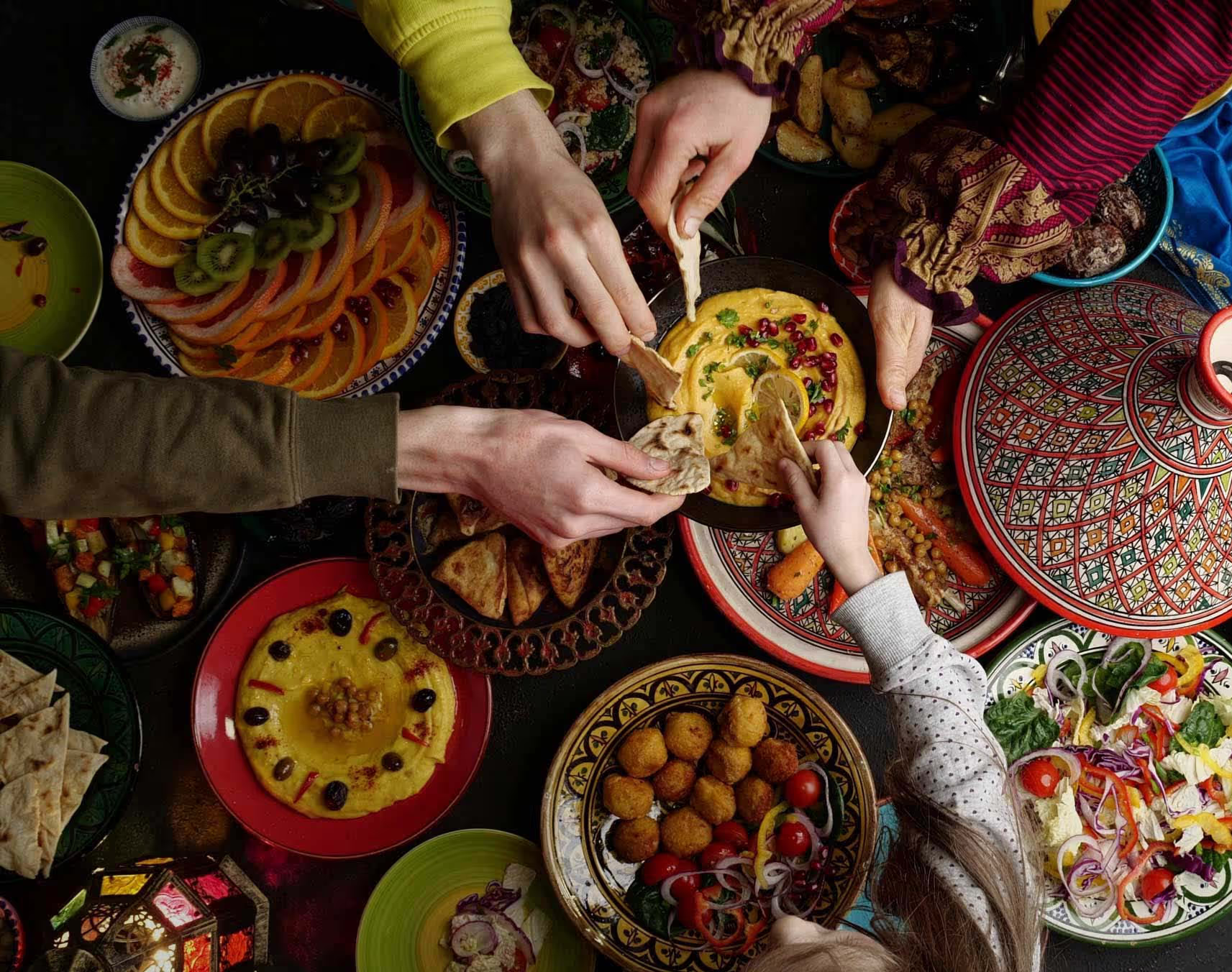
During Ramadan, Muslims are required to elevate their spiritual and physical submission to their faith by way of fasting. The fast is intended to last from dawn until dusk throughout the 29 or 30 day period. Every day at sunset, cannons will be heard around the city, signalling that it is time to break the fast with a meal called an iftar. Another meal, called a suhoor, is traditionally eaten in the early hours of the day before fasting hours begin.
Non-Muslims are not expected to fast during Ramadan in the Middle East. However, they are not allowed to eat, drink, or smoke in public during the fasting hours, but they are free to do all of these activities in the privacy of their home and designated areas. Expatriate residents and visitors are expected to avoid wearing revealing clothing, specifically when visiting malls, hotels, restaurants or iftar tents in the evening. While this etiquette rule is observed throughout the year in the Middle East, it’s particularly important during the month of Ramadan.
Wherever possible, it is recommended that business meetings are held in the morning during Ramadan, when the energy levels of participating individuals are likely to be higher. It is also best to avoid unnecessary travel within the hour of sunset, as during this time Muslims travel to their iftar destination in anticipation of breaking their fast, making traffic heavier than usual.
Should you have any questions about the delivery of global mobility services in Dubai during Ramadan, please feel free to reach out to our K2 Dubai team.