
Events

Paris Roundtable 2026

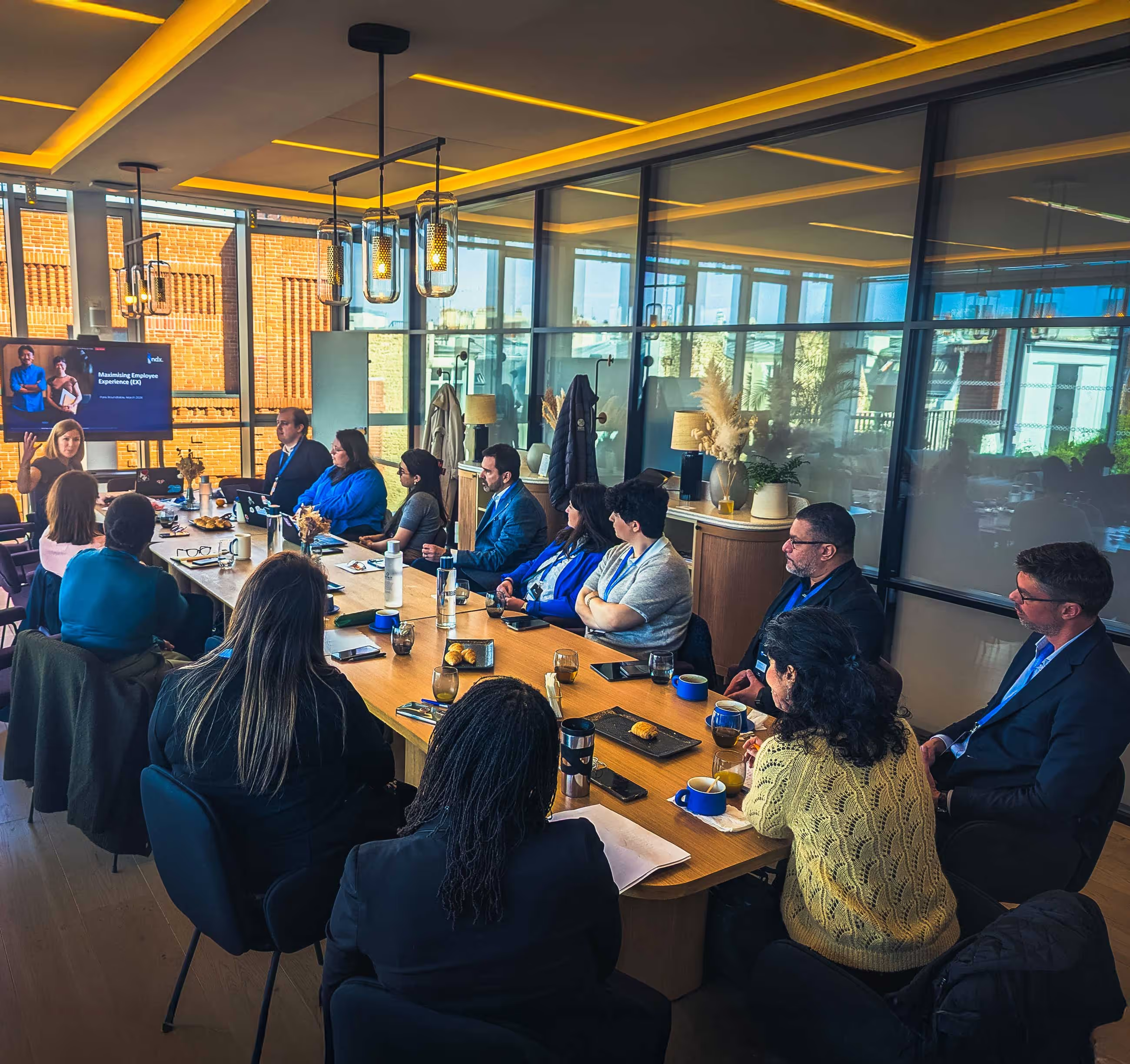
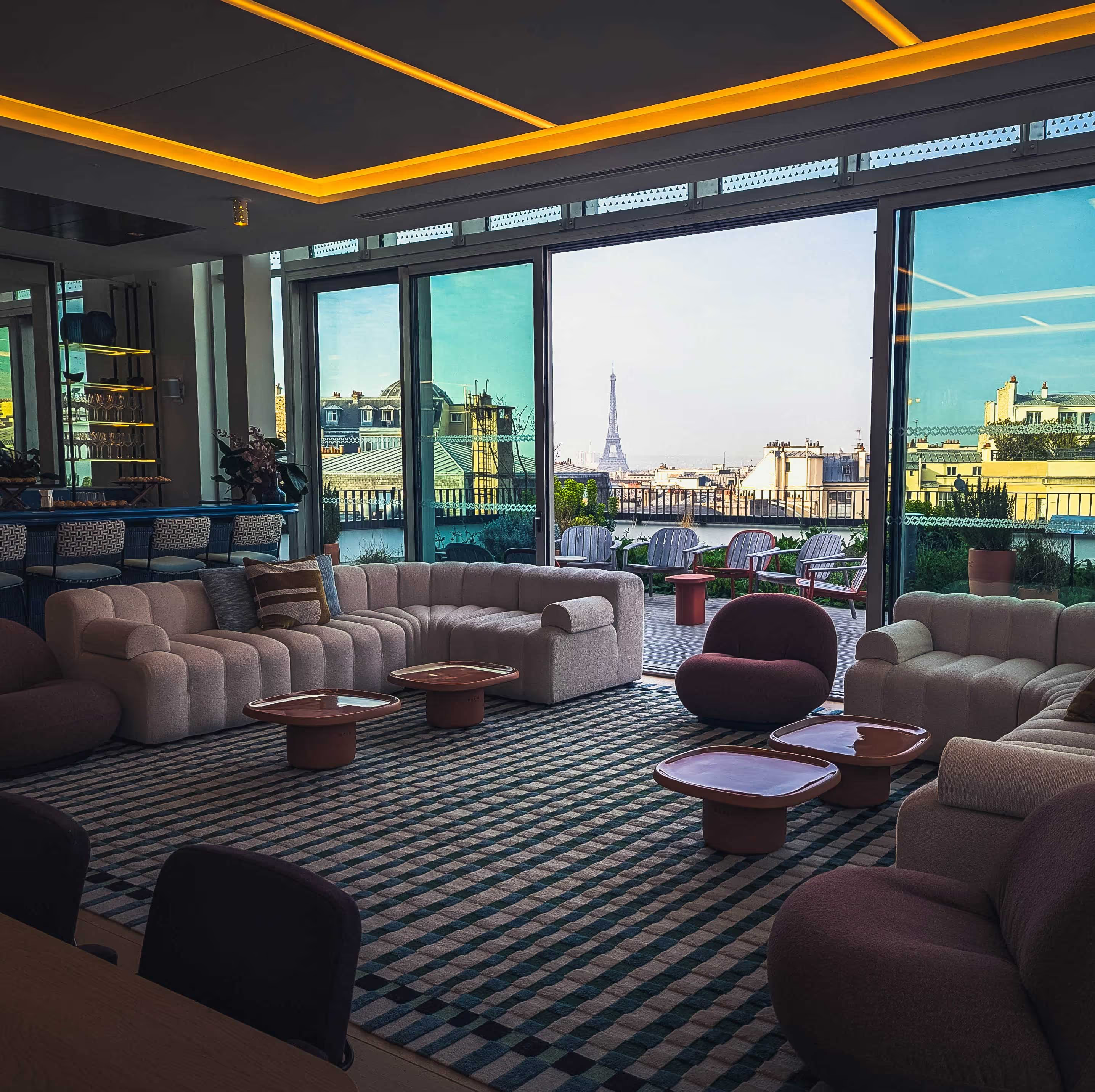
Last week, K2 Group hosted the Paris Roundtable 2026 at WELLIO Saint Lazare, welcoming Global Mobility and HR leaders for a morning of open discussion, shared challenges and practical insights. With its bright, modern setting and sweeping views across Paris, the venue provided the perfect environment for reflective, forward-looking conversation.

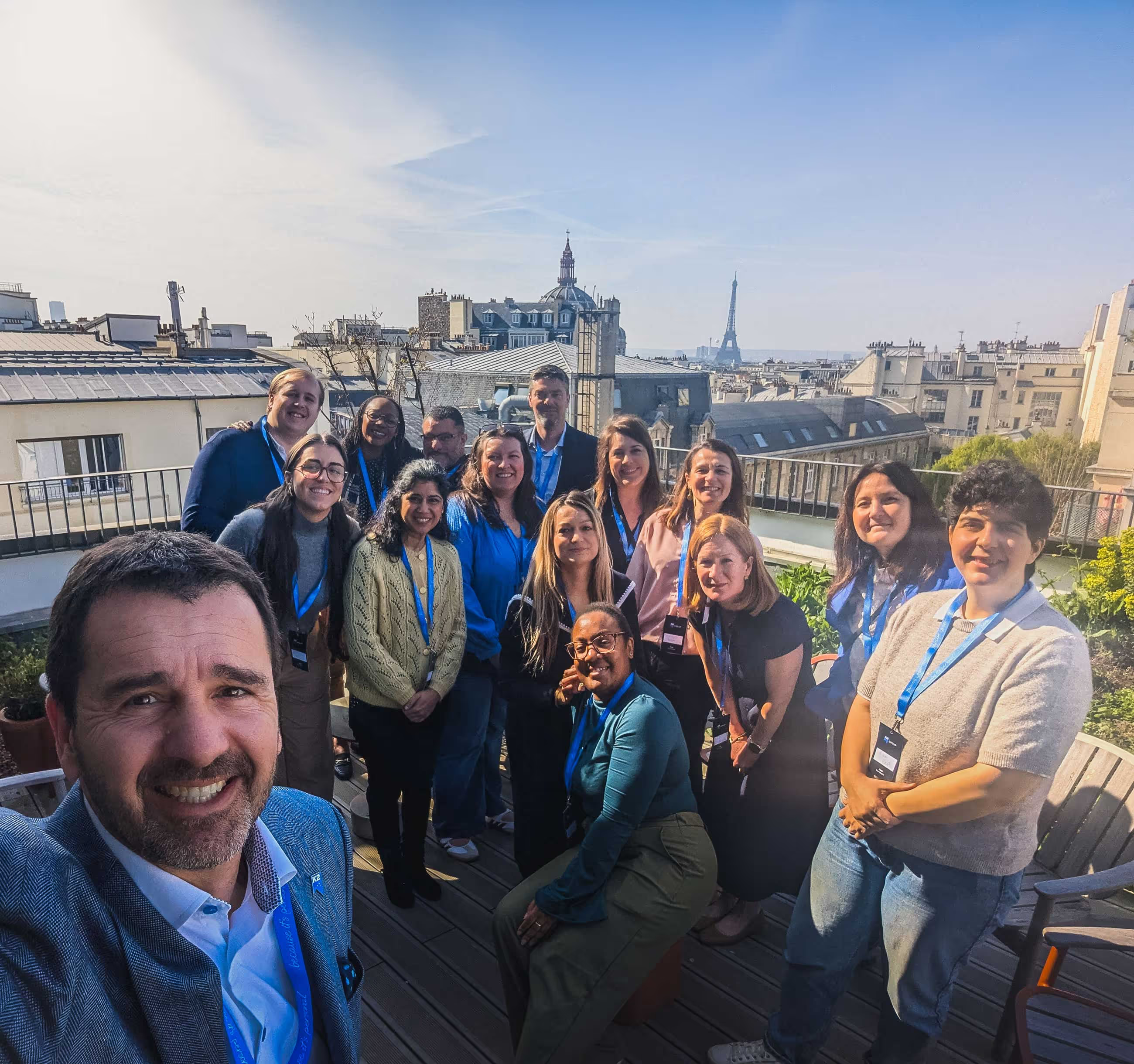
We were joined by representatives from six organisations across fashion, finance, infrastructure, consulting and education. The smaller group size encouraged honest dialogue and the kind of candid knowledge sharing that makes these roundtables so valuable.

The morning included three short, expert led sessions from across the K2 Group family.
Managing Business Critical (VIP) Assignments

Led by Daniel Natoli, Managing Director, K2 Bespoke

From Daniel Natoli, attendees explored how business critical (VIP) assignments often require a different level of attention and coordination, a reminder of how important tailored support and clear communication can be.

Global & French Immigration Trends in a Changing Political Landscape

Led by Jesper Albrekt, K2 X Border and Isabelle Bada Mallet, K2 Relocate France

We then turned to global and French immigration, with Jesper Albrekt and Isabelle Bada Mallet offered a high-level look at the shifts mobility teams need to be aware of, from changing political landscapes to evolving compliance expectations.

Maximising Employee Experience (EX) within Global Mobility

Led by Alison Huckle, K2 Indx

Our final session, led by Alison Huckle, explored the employee experience within Global Mobility, touching on why clarity, timing and empathy in communication can make such a difference to an assignee’s journey. The discussion prompted thoughtful reflection among the group, particularly around how mobility teams can create more supportive and confident experiences for their employees.

Across all three sessions, the conversations came back to a shared theme: mobility is becoming more complex, more interconnected, and more dependent on strong governance, thoughtful communication and cross functional partnership. These challenges are not unique to any one organisation and hearing how peers are navigating them remains one of the greatest strengths of the roundtable format.

The atmosphere throughout the morning was warm and collaborative. We are grateful to everyone who attended and contributed so openly, and to the colleagues who travelled from across the K2 Group to speak and support. A special thank you to Julie Sinacori for hosting the event and bringing everything together.

If you would like to learn more about any of the topics discussed, VIP assignment support, immigration insights or employee experience, our teams would be very happy to continue the conversation with you.

Q&As

What practical challenges do VIP assignments create for Global Mobility teams?

They often involve accelerated timelines, high visibility, greater organisational reliance, and a need for personalised, high touch support. Risk and communication management are essential.

What are the biggest French immigration updates mobility teams should prepare for?

The civil exam, increased language requirements, administrative delays, and higher government fees were highlighted as the most immediate changes affecting employers in 2026.

What governance considerations were raised in the immigration session?

Immigration should be treated as a compliance and governance priority, requiring cross functional oversight, scenario planning and proactive risk mitigation.

How is employee experience (EX)becoming more strategic within Global Mobility?

EX influences performance, brand, retention and the success of future mobility programmes. Employees value clarity, practical support and personalisation.

Frequently asked questions

Straight answers to the questions we hear most about global mobility.

What practical challenges do VIP assignments create for global mobility teams?

+

VIP or business critical assignments typically involve accelerated timelines, higher visibility within the organisation and a greater reliance on the mobility function to get things right. They also require a more personalised, high touch level of support than a standard relocation.

Risk management and clear communication are essential, since these moves carry more organisational scrutiny and less room for delay or error than routine assignments.

What are the biggest French immigration changes employers should prepare for in 2026?

+

The most immediate changes affecting employers in 2026 are a new civil exam, increased language requirements, administrative delays and higher government fees for French immigration applications. These were flagged as the shifts with the most direct impact on employers relocating staff into France.

Global mobility teams were also encouraged to track broader shifts affecting immigration policy generally, including changing political landscapes and evolving compliance expectations beyond France.

Why should immigration be treated as a governance priority in global mobility?

+

Immigration should be treated as a compliance and governance priority within global mobility programmes. That was one of the key points raised during the roundtable's immigration session.

Getting this right calls for cross functional oversight across mobility, HR and legal teams, together with scenario planning and proactive risk mitigation.

Why is employee experience becoming more strategic within global mobility?

+

Employee experience is increasingly seen as strategic within global mobility because it influences performance, employer brand and retention, alongside the success of future mobility programmes.

Employees value clarity, practical support and personalisation throughout an assignment. The roundtable's employee experience session focused on how clarity, timing and empathy in communication shape an assignee's overall experience.