

Events
Global

Nordic Business Communication, Insights from Our Recent Webinar

On 18th September, we hosted the “Cross-Cultural Communication: Working with the Nordics” in collaboration with LearnLight. If you missed it, here’s what you need to know, and why it matters for anyone working across Denmark, Sweden, Norway, Finland, or Iceland.

Why Nordic Communication Matters

Success in the Nordics isn’t just about speaking the language, it’s about understanding the subtle signals that drive trust, decision-making, and collaboration. As our expert guide from LearnLight shared, mastering these signals is business intelligence, not just cultural awareness.

Key Takeaways by Country

Denmark:
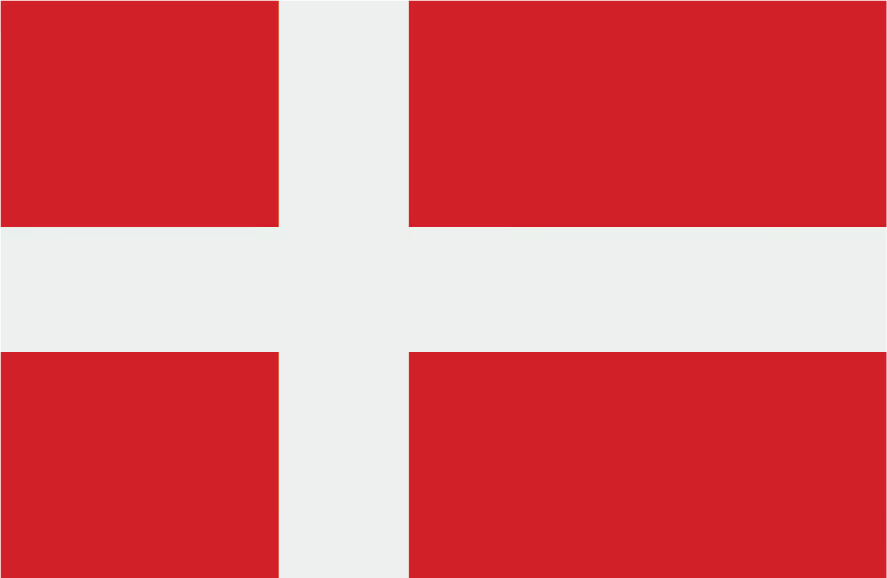
Decisions tend to be made efficiently, thanks to a more traditional leadership style. Negotiation is robust, and communication is refreshingly straightforward. If you’re working with Danish colleagues, clarity and directness will serve you well.

Sweden:

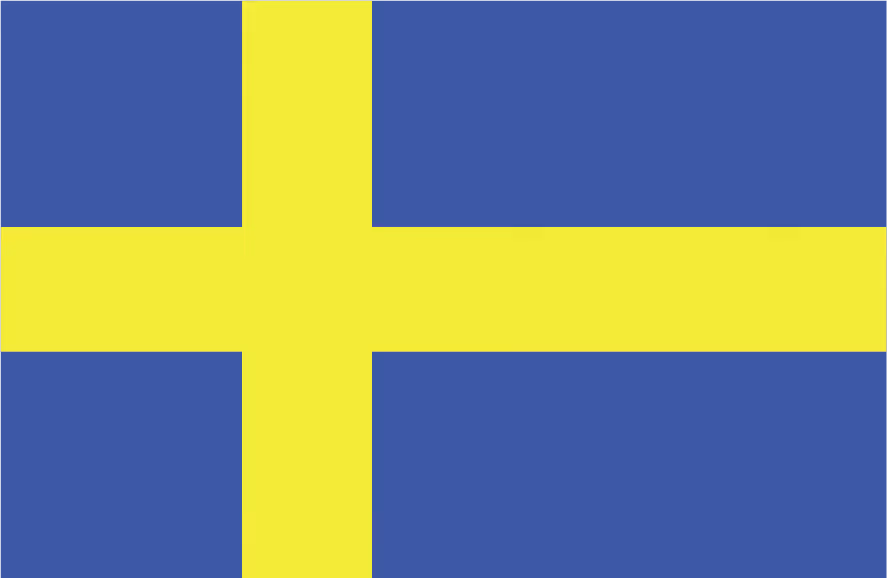
Swedish teams value harmony. You’ll notice a softer vocabulary and a preference for avoiding conflict. Adapt your approach, listen actively and choose words that foster consensus.

Norway:

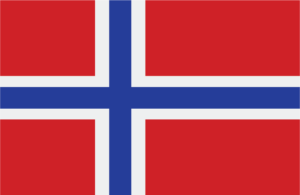
Norwegian professionals are concise and direct. Meetings get to the point, and feedback is honest. Don’t mistake brevity for brusqueness; it’s a sign of respect for your time.

Finland:

Silence is golden. Finnish colleagues don’t fill every pause with words, and small talk is minimal. Give space for reflection sometimes, the most important insights come after a moment of quiet.

Iceland:

Trust is the foundation. Icelandic teams thrive on creativity and adaptive decision-making, all balanced by a strong commitment to work-life harmony. Build relationships through openness and flexibility.

The Power of Intercultural Training

Intercultural training equips assignees, and their families, with the skills to thrive in new environments. It’s not just about easing the transition; it’s about providing practical tools for understanding local business practices, communication styles, and team dynamics. For senior leaders, tailored insights help adapt leadership styles for seamless transitions abroad.

Because we often see people as we are, not as they are, intercultural training provides the bridge that makes global collaboration both effective and rewarding.

Frequently asked questions

Straight answers to the questions we hear most about global mobility.

How do Danish colleagues typically approach business decisions?

+

Danish teams tend to make decisions efficiently, supported by a more traditional leadership style. Negotiation is robust and communication is straightforward, with little hedging or indirect signalling.

For anyone working with Danish colleagues, clarity and directness go further than a softer approach. Straightforward feedback is standard practice rather than a sign of friction.

What communication style works best with Swedish teams?

+

Swedish business culture places a high value on harmony, so teams tend to use softer vocabulary and prefer to avoid open conflict in meetings.

Working effectively with Swedish colleagues means adapting your approach: listen actively and choose language that builds consensus rather than pushing a position hard. This differs from the more blunt styles found elsewhere in the Nordics.

Why are Norwegian business meetings so concise and direct?

+

Norwegian professionals are known for being concise and direct. Meetings tend to get straight to the point and feedback is delivered honestly, without much softening.

This brevity reflects respect for the other person's time and should not be read as unfriendly. Colleagues used to longer, more diplomatic exchanges may need to adjust their expectations when working with Norwegian teams.

Why do Finnish colleagues use more silence in business meetings?

+

Finnish business culture treats silence as a normal, valued part of conversation. Colleagues don't feel the need to fill every pause, and small talk is generally minimal.

Giving space for reflection matters when working with Finnish teams, since the most useful input often comes after a moment of quiet rather than in the first response.

What role does trust play in Icelandic business culture?

+

Trust is the foundation of Icelandic business relationships. Teams tend to be creative and take an adaptive approach to decision-making, balanced by a strong commitment to work-life harmony.

Building working relationships with Icelandic colleagues works best through openness and flexibility, rather than rigid processes or fixed agendas.